
14 Cobalt-Based Alloys-1_1

Cobalt-Based Alloys: High-Performance Superalloys for Extreme Environments

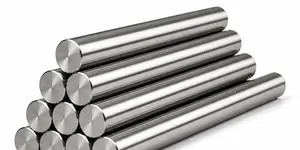
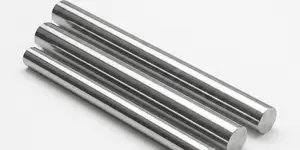
Cobalt-based alloys are high-performance alloys consisting of Cobalt mixed with Chromium, Tungsten, and Nickel, offering exceptional wear resistance, high-temperature strength, and excellent corrosion oxidation resistance.

PRODUCTS

Our Cobalt-Based Alloys Product Range

Browse our diverse catalog of Cobalt-Based Alloys, available in various forms and specifications to meet your engineering demands.
01 Aerospace and Aviation
Characteristic

Key Advantages of QHBD Cobalt-Based Alloys

Our cobalt-based alloys are engineered for exceptional performance, combining high strength with resistance to extreme conditions.

Wear & Corrosion Resistance

Excellent resistance to abrasion, galling, cavitation, and erosion.

High-Temperature Stability

Retains strength and resists oxidation at elevated temperatures.

Biocompatibility

Cobalt-chromium (Co-Cr) alloys are widely used in medical implants due to their stability in the human body.

Common Alloys

Cobalt-based Alloys: Common Alloy Materials

icon Cobalt-Based Alloys 01

Stellite Series

Exceptional wear resistance, represented by Stellite 6 and Stellite 21, used for hardfacing treatment of valves and pump parts.

icon Cobalt-Based Alloys 03

Haynes Series

Boasting prominent high-temperature strength, including Haynes 25 and Haynes 188, widely adopted in aerospace core components.

14 Cobalt-Based Alloys-2
icon Cobalt-Based Alloys 02

CoCrMo Alloy

Specially developed for orthopedic implants such as hip and knee joint prostheses.

icon Cobalt-Based Alloys 04

Other Grades

Alacrite, Havar, Megallium, Permendur and other functional cobalt-based alloys.

1e79c48d-6805-4c05-b913-75d741ca3cb9
APPLICAITON

Where Cobalt-Based Alloys Excel: Industrial Applications

Discover how our cobalt-based alloys power innovations across diverse sectors, from aviation to healthcare.

Aerospace & Energy Industry

Gas turbine blades, combustion liners and aero-engine structural parts.

Medical & Dental Industry

Hip/knee joint replacements, dental implants and precision surgical instruments.

General Industrial Field

Industrial valves & seats, plastic extrusion screws, industrial shear blades and other wear-resistant spare parts.

FAQs

Cobalt-Based Alloys FAQs

Cobalt-based alloys are widely used in high-temperature, high-wear, and corrosive environments such as aerospace, medical implants, gas turbines, and industrial tooling. Below are the most frequently asked questions to help you better understand their properties, applications, and performance.

What are cobalt-based alloys?

Cobalt-based alloys are metal materials primarily composed of cobalt, combined with elements such as chromium, tungsten, nickel, and carbon. These additions enhance hardness, wear resistance, corrosion resistance, and high-temperature strength.

What are the main advantages of cobalt-based alloys?

Key advantages include:

Excellent wear and abrasion resistance
Strong corrosion and oxidation resistance
High-temperature stability
Good fatigue strength
Long service life in harsh environments

Are cobalt-based alloys corrosion resistant?

Yes. They perform well in many corrosive environments, especially when chromium is present in higher proportions. However, performance can vary depending on the specific alloy grade and exposure conditions (acidic, saline, or oxidizing environments).

Are cobalt-based alloys suitable for medical use?

Yes. Certain cobalt-chromium alloys are biocompatible and widely used in orthopedic implants and dental applications because of their strength, corrosion resistance, and wear durability inside the human body.

Why are cobalt-based alloys used in high-temperature applications?

Cobalt alloys maintain mechanical strength and oxidation resistance at elevated temperatures. Unlike many steels, they do not rapidly lose hardness or deform under thermal stress, making them ideal for turbine blades, furnace components, and engine parts.

How do cobalt-based alloys compare to nickel-based alloys?

Cobalt-based alloys generally offer better wear resistance and thermal fatigue resistance, while nickel-based alloys often provide superior creep resistance at extreme temperatures. The choice depends on whether wear or creep is the dominant failure mode in the application.

Can cobalt-based alloys be machined easily?

They are considered difficult to machine due to their high hardness and work-hardening behavior. Specialized tooling such as carbide or ceramic cutting tools is typically required, along with controlled cutting parameters.

What factors affect the performance of cobalt-based alloys?

Performance depends on:

Alloy composition (Cr, W, Ni content)
Heat treatment process
Operating temperature and environment
Mechanical stress and wear conditions
Surface finishing quality
CONTACT US
Talk to an expert
Share your requirements and we’ll help you find the right solution for your business.

    Get a quick quote

    We typically confirm within 24 hours.

    网络已连接