


Introduction
Haynes Alloy Overview
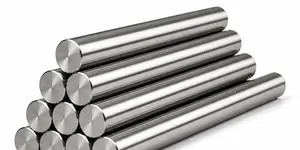
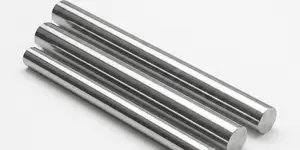
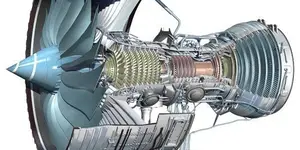
Haynes alloys represent a premium family of high-performance nickel-based and cobalt-based superalloys. Engineered for extreme service conditions, these materials sustain exceptional mechanical strength while resisting severe oxidation, corrosion, and thermal fatigue at elevated temperatures.
PRODUCTS
Comprehensive Range of Haynes Alloys
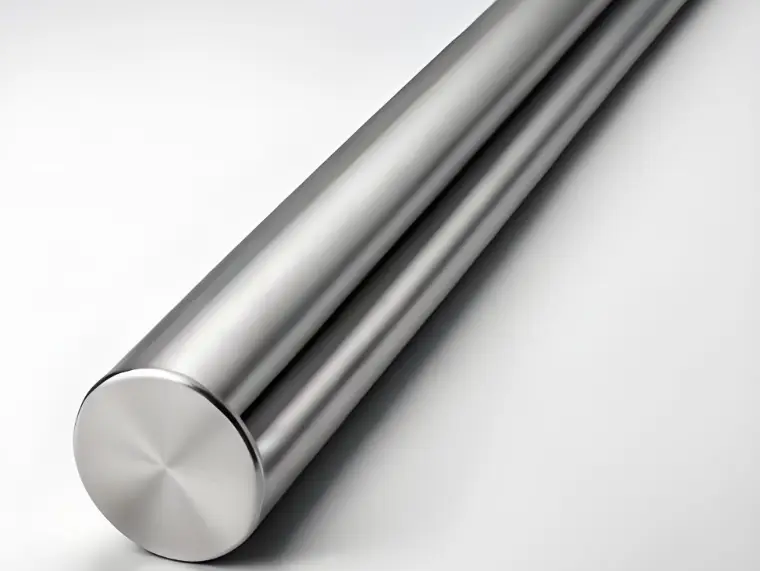
Explore our extensive inventory of haynes alloy grades, available in various forms and sizes to meet your specific requirements.


FAQ
Haynes Alloy FAQs
What is Haynes Alloy?
Haynes alloy refers to a family of high-performance nickel-based and cobalt-based superalloys developed for extreme operating environments. These alloys are widely used in aerospace, gas turbines, heat treatment equipment, chemical processing plants, and power generation systems because of their excellent resistance to heat, oxidation, corrosion, and mechanical stress.
What is the service life of Haynes Alloy components?
Service life varies according to operating conditions, but Haynes Alloys are specifically designed for long-term exposure to extreme temperatures and corrosive environments. Properly selected and maintained components can often operate significantly longer than conventional stainless steel alternatives.
Are Haynes Alloys corrosion resistant?
Absolutely. Many Haynes Alloys are specifically engineered for severe corrosive environments. They provide excellent resistance to:
Sulfur-containing atmospheres
Chlorides
Oxidizing chemicals
Reducing acids
High-temperature corrosion
This makes them popular in chemical processing and petrochemical industries.
Sulfur-containing atmospheres
Chlorides
Oxidizing chemicals
Reducing acids
High-temperature corrosion
This makes them popular in chemical processing and petrochemical industries.
Is Haynes 230 Alloy easy to fabricate?
Yes. Haynes 230 Alloy is widely recognized for its excellent fabrication characteristics compared with many other superalloys. It can be formed, welded, and machined using conventional industrial practices while maintaining excellent mechanical properties at elevated temperatures.
Why are Haynes Alloys more expensive than standard alloys?
Haynes Alloys contain premium alloying elements such as:
Nickel
Cobalt
Chromium
Tungsten
Molybdenum
The advanced manufacturing processes and strict quality controls required for aerospace and industrial applications also contribute to higher material costs. However, their longer service life often reduces total lifecycle costs.
Nickel
Cobalt
Chromium
Tungsten
Molybdenum
The advanced manufacturing processes and strict quality controls required for aerospace and industrial applications also contribute to higher material costs. However, their longer service life often reduces total lifecycle costs.
Which Haynes Alloy is best for high-temperature applications?
The best choice depends on operating conditions:
Haynes 230®: Excellent combination of strength, oxidation resistance, thermal stability, and fabricability up to approximately 1149°C.
Haynes 188®: Outstanding oxidation resistance and thermal stability for aerospace turbine components.
Haynes 214®: Designed for exceptional oxidation resistance at temperatures up to approximately 1260°C.
Haynes 282®: Provides excellent high-temperature strength and weldability for structural components.
Haynes 230®: Excellent combination of strength, oxidation resistance, thermal stability, and fabricability up to approximately 1149°C.
Haynes 188®: Outstanding oxidation resistance and thermal stability for aerospace turbine components.
Haynes 214®: Designed for exceptional oxidation resistance at temperatures up to approximately 1260°C.
Haynes 282®: Provides excellent high-temperature strength and weldability for structural components.
CONTACT US
Talk to an expert
Share your requirements and we’ll help you find the right solution for your business.
Get a quick quote
We typically confirm within 24 hours.