09 Nimonic Alloy-1_1

High-Quality Nimonic Alloy Solutions - Qihang Bida

Nimonic denotes a series of nickel-base superalloys distinguished by outstanding high-temperature tensile strength, superior creep resistance and robust oxidation performance.

Introduction-background
Introduction

Nimonic Alloy Introduction

Nimonic grades generally contain over 50% nickel and around 20% chromium, with titanium and aluminium added as key alloying elements. They are predominantly engineered for gas turbine hardware and high-performance reciprocating internal combustion engines.
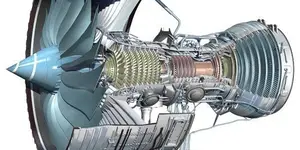
Boasting excellent elevated-temperature endurance, Nimonic is the preferred material for critical jet-engine parts including turbine blades and exhaust nozzles exposed to extreme thermal and mechanical loads.
PRODUCTS

Nimonic Alloy Product Categories

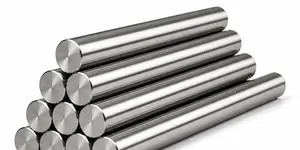
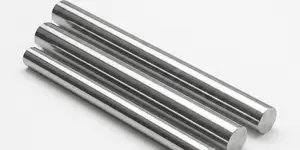
We stock a wide range of Nimonic grades in multiple forms to meet your specific needs. Each product meets stringent quality standards.
1e79c48d-6805-4c05-b913-75d741ca3cb9
Characteristics

Key Characteristicsof Nimonic Alloys

Nimonic superalloys are designed to withstand extreme mechanical and thermal loads. Below are the critical performance characteristics.

Superior High-Temperature Strength

Retains stable mechanical integrity at service temperatures up to 815°C (1500°F) and above.

Low Creep Property

Inhibits permanent gradual deformation under sustained load at high operating temperatures.

Outstanding Oxidation & Corrosion Resistance

Elevated chromium content forms a dense protective film against erosion from hot flue gas and corrosive media.

Typical Grades & Application

Nimonic Alloy Typical Grades & Application

Nimonic alloys are extensively deployed in harsh working conditions within aerospace, motor racing and power generation sectors.
01

Nimonic 75

Standard 80Ni-20Cr alloy for combustor parts, turbine blades and high-temperature formed sheet components.
02

Nimonic 80A

Precipitation-hardened wrought grade widely applied in engine exhaust valves, turbine discs and retaining rings.
03

Nimonic 90

Delivers enhanced high-temperature strength and creep resistance, ideal for high-load gas turbine discs and high-boost automotive turbocharger engines.
FAQ

Nimonic Alloy FAQs

What is nimonic alloy?

Nimonic is a family of nickel-based superalloys designed for high-temperature and high-stress environments. It typically contains nickel (major element), chromium, and small additions of titanium, aluminum, and sometimes cobalt, which together provide excellent heat resistance and creep strength.

What temperature can nimonic withstand?

Depending on the grade:
Around 700°C – 950°C continuous service temperature
Some advanced grades can perform near 1000°C in short-term conditions

Can nimonic alloy be welded?

Yes, but it requires controlled processes such as:
TIG welding
MIG welding
Proper heat treatment is often needed before and after welding to maintain properties.

Is Nimonic stronger than stainless steel?

Yes. Compared to stainless steel, Nimonic offers:

Much higher high-temperature strength
Better creep resistance
Superior performance under long-term thermal stress
However, stainless steel is cheaper and easier to machine.

Why is nimonic alloy heat resistant?

Its heat resistance comes from a strengthening phase (γ′ Ni₃(Al,Ti)), which stabilizes the microstructure at high temperatures. This prevents deformation (creep) and maintains mechanical strength even above 800°C in many grades.

What is the difference between Nimonic 80A and Nimonic 90?

80A: Better fabricability, widely used in valves and moderate high-temp parts
90: Higher strength and better creep resistance for more demanding aerospace applications

What industries use Nimonic alloys?

Aerospace (jet engines, turbines)
Power generation (gas turbines, boilers)
Automotive racing (exhaust valves)
Chemical & marine engineering
Nuclear engineering

What is the composition of nimonic alloy?

While compositions vary by grade, most Nimonic alloys contain:

Nickel (Ni): Base element (>50%)
Chromium (Cr): ~18–21% for oxidation resistance
Titanium (Ti): ~1–3% for strengthening
Aluminum (Al): ~1–2% for precipitation hardening
Cobalt (Co): optional, improves creep resistance and stability
CONTACT US
Talk to an expert
Share your requirements and we’ll help you find the right solution for your business.

    Get a quick quote

    We typically confirm within 24 hours.

    网络已连接