Single Crystal Alloy - High Performance Monocrystalline Materials from QHBD
Discover our comprehensive range of single crystal alloys, engineered for extreme environments. Qihang Bida provides reliable solutions for turbine blades, gas turbines, and high-temperature components.
Introduction
Single Crystal Alloy Overview
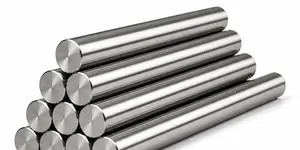
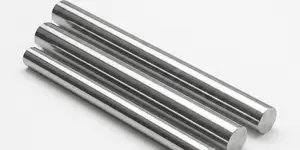
Single crystal alloys like CMSX series, rene alloys, and PWA series, known for superior creep resistance, thermal fatigue strength, and oxidation resistance. These alloys, such as CMSX-4 and Rene N5, are ideal for turbine blades, offering exceptional durability in extreme high-temperature environments.
We offer a variety of single crystal alloy grades and forms to meet your specific requirements. Browse our standard products below. Each grade is optimized for high-temperature strength, creep resistance, and oxidation stability.
Single crystal alloys eliminate grain boundaries, resulting in superior high-temperature mechanical properties and oxidation resistance. These materials set the benchmark for performance in extreme environments.
Retains yield and tensile strength at elevated temperatures where polycrystalline alloys would soften.
Superior Oxidation and Hot Corrosion Resistance
Dense alumina scale formation protects the alloy from rapid degradation in combustion environments.
Improved Fatigue Life
Single crystal structure reduces crack initiation sites, extending component life under thermal cycling.
Better Microstructural Stability
Reduced tendency for second-phase coarsening and topologically close-packed phase formation during long-term service.
Higher Operating Temperature Capability
Allows turbine inlet temperatures to exceed 1400°C, improving engine efficiency.
Reduced Scatter in Mechanical Properties
More consistent behavior from part to part due to controlled crystallographic orientation.
Ability to Incorporate Fine Cooling Channels
The casting process can integrate complex internal cavities for advanced film cooling.
Applications
Applications of Single Crystal Alloys
Single crystal alloys are critical in industries where high temperature and stress are prevalent. They enable next-generation performance in demanding environments.
01
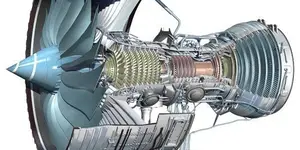
Aero-engine Turbine Blades and Vanes
The primary application, accounting for over 70% of single crystal alloy usage. Blades operate at temperatures exceeding 1300°C with complex cooling designs.
02
Industrial Gas Turbine Hot Section Components
Used in power generation turbines to improve efficiency and reduce emissions by allowing higher firing temperatures.
03
Rocket Engine Nozzles and Thrust Chambers
Withstand extreme thermal gradients and oxidative environments during launch and re-entry.
04
High-Performance Turbocharger Rotors
In automotive and marine applications, single crystal alloys enhance durability under transient thermal loads.
05
Nuclear Reactor Components
Fuel cladding and structural parts benefit from irradiation resistance and high-temperature creep strength.
06
Heat Treatment Fixtures and Tooling
Used for furnace components that must maintain dimensional stability at high temperatures for extended cycles.
07
Medical Implants (Specialty)
Certain biocompatible single crystal alloys are explored for hip and knee replacements due to superior wear resistance and fatigue strength.
FAQ
Single Crystal Alloy FAQs
What is a single crystal alloy?
A single crystal alloy is a high-performance metal material in which the entire component is made of one continuous crystal structure without grain boundaries. It is commonly used in extreme environments such as gas turbines and aerospace engines.
Why are single crystal alloys used in turbine blades?
They are used in turbine blades because they can withstand extremely high temperatures and mechanical stress without weakening at grain boundaries, improving engine efficiency and lifespan.
How are single crystal alloys manufactured?
They are typically produced using directional solidification techniques such as the Bridgman process, where the alloy is carefully cooled to form a single, continuous crystal structure.
Are single crystal alloys better than polycrystalline materials?
For high-temperature and high-stress environments, yes. However, for general engineering applications, polycrystalline materials are more cost-effective and easier to produce.
How is a single crystal alloy different from a conventional alloy?
Conventional alloys contain multiple grains separated by grain boundaries. Single crystal alloys eliminate these boundaries, which significantly improves resistance to creep, fatigue, and high-temperature deformation.
What materials are commonly used in single crystal alloys?
Most single crystal alloys are based on nickel-based superalloys, often enhanced with elements like rhenium, tungsten, tantalum, and aluminum to improve performance.
What are the limitations of single crystal alloys?
Despite their performance benefits, they are expensive to produce, difficult to manufacture, and require highly controlled processes, making them suitable only for high-value applications.
What is the future of single crystal alloy technology?
Future development focuses on improving temperature capability, reducing production costs, and enhancing alloy compositions for next-generation jet engines and energy systems.
CONTACT US
Talk to an expert
Share your requirements and we’ll help you find the right solution for your business.