Inconel 600-2

PWA 1480 Single-crystal Nickel-base Superalloy

Large-Scale Superalloys R&D And Manufacturing Base

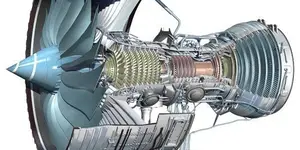
PWA 1480 is a first-generation high-performance single-crystal nickel-base superalloy, developed mainly for high-temperature aerospace components including gas turbine blades and vanes in aircraft engines.

PWA 1480 Single-crystal Nickel-base Superalloy Introduction

PWA 1480 is a high performance single-crystal superalloy engineered to deliver outstanding mechanical properties at elevated temperatures. Widely deployed for jet engine turbine blades, it exhibits excellent resistance to thermal fatigue and creep at temperatures above 980°C.

The alloy features a carefully balanced composition of nickel, chromium, cobalt and tantalum, which imparts corrosion resistance, mechanical strength and stability under extreme operating conditions. Its single-crystal microstructure removes grain boundaries, thereby enhancing mechanical performance and fatigue life at high temperatures.

PWA 1480 Chemical Composition

The alloying elements of PWA 1480 perform critical functions in tailoring its high-temperature performance. Nickel forms the stable base matrix, while chromium imparts oxidation resistance. Tantalum strengthens the matrix and boosts creep resistance, and cobalt enhances high-temperature stability. Aluminum promotes the formation of protective oxide layers.
ElementPWA 1480
Chromium (Cr)10%
Cobalt (Co)5%
Molybdenum (Mo)2%
Tungsten (W)4%
Aluminium (Al)5%
Tantalum (Ta)12%
Hafnium (Hf)1.5%
Nickel (Ni)Bal.

PWA 1480 Physical Properties

  • Single-Crystal Structure: Fully eliminates grain boundaries, delivering markedly improved resistance to high-temperature creep, thermal fatigue and stress rupture relative to conventional polycrystalline alloys.

  • Operating Temperature: Retains structural integrity and mechanical strength under extreme temperatures above 980°C.

  • Composition: Primarily nickel-based, balanced with strengthening alloying elements including chromium, cobalt and tantalum. It features a high volume fraction of reinforcing γ' phase, offering a good combination of oxidation resistance and high-temperature stability.

Features of PWA 1480 Superalloy

STEP 1

High-Temperature Strength

PWA 1480 retains excellent tensile strength of up to 1250 MPa at elevated temperatures, delivering reliable performance for jet engines and industrial turbines.

STEP 2

Creep Resistance

Engineered for long-term service under sustained loading at 980°C, PWA 1480 shows minimal creep deformation and achieves a creep rupture life of up to 10,000 hours.

STEP 3

Fatigue Resistance

The elimination of grain boundaries coupled with uniformly distributed fine γ' precipitates yields outstanding fatigue resistance, particularly under thermal cycling conditions.

STEP 4

Oxidation Resistance

Its 10% chromium content improves oxidation resistance, safeguarding components operating at high temperatures within corrosive environments.

STEP 5

Thermal Stability

Featuring a melting point of 1345°C and favorable thermal conductivity, PWA 1480 maintains structural stability in demanding aerospace applications such as turbine blades.

Applicaitons of PWA 1480 Superalloy

  • Aerospace & Aviation: PWA 1480 is widely used for jet‑engine turbine blades, demanding high strength and thermal‑fatigue resistance.
  • Power Generation: Applied in gas‑turbine components to guarantee stable power delivery under harsh operating conditions.
  • Oil & Gas: Deployed on high‑temperature valves and gas‑turbine parts requiring high durability and corrosion resistance.
  • Energy: Leveraged for turbines in both conventional and renewable power plants for consistent operational reliability.
  • Marine: Used in turbine hardware and propulsion systems to maintain performance in corrosive marine environments.
  • Mining: Provides robust service life for abrasive‑environment components such as high‑pressure pumps.
  • Automotive: Utilized within motorsport and high‑performance engines for superior thermal stability and mechanical strength.
  • Chemical Processing: Suitable for high‑temperature reactors and heat exchangers, benefiting from its native corrosion resistance.
  • Pharmaceutical & Food: Selected for assemblies exposed to high‑temperature sterilization and corrosive media.
  • Military & Defense: Specified for jet engines and advanced propulsion systems of fighter aircraft.
  • Nuclear: Adopted for turbine and reactor components, taking advantage of thermal‑fatigue and radiation‑resistant characteristics.

Similar Models

Insights & Guides