
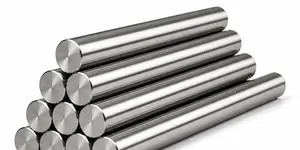
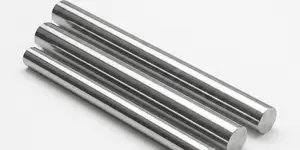

In modern manufacturing and heavy industry, materials face increasingly demanding operating environments. Equipment used in aerospace, heat treatment, petrochemical processing, power generation, metallurgy, and industrial furnaces must withstand extreme temperatures, oxidation, pressure, and corrosion for long operating cycles. Under these conditions, ordinary steel materials often lose strength, deform, or fail prematurely. Superalloy materials solve these challenges by maintaining mechanical stability and corrosion resistance even under continuous exposure to severe heat.
As industrial systems continue to pursue higher efficiency and longer service life, the demand for advanced superalloy solutions is growing rapidly. Companies involved in industrial furnace manufacturing, thermal processing systems, gas turbines, chemical plants, and energy equipment increasingly rely on these specialized alloys to improve operational reliability and reduce maintenance costs.
What Is a Superalloy?
A superalloy, often referred to as a superalloy, is a metallic material specifically engineered to maintain strength, structural stability, and oxidation resistance at elevated temperatures. These alloys usually operate effectively in environments exceeding 600°C and, in some cases, beyond 1000°C.
Manufacturers typically produce superalloy using nickel, cobalt, or iron as the primary base material. Engineers then add alloying elements such as chromium, molybdenum, tungsten, titanium, aluminum, and niobium to enhance specific performance characteristics.
Unlike conventional carbon steel or stainless steel, superalloy retain their mechanical properties during prolonged exposure to heat. This capability makes them indispensable for components exposed to thermal cycling, creep stress, and corrosive atmospheres.
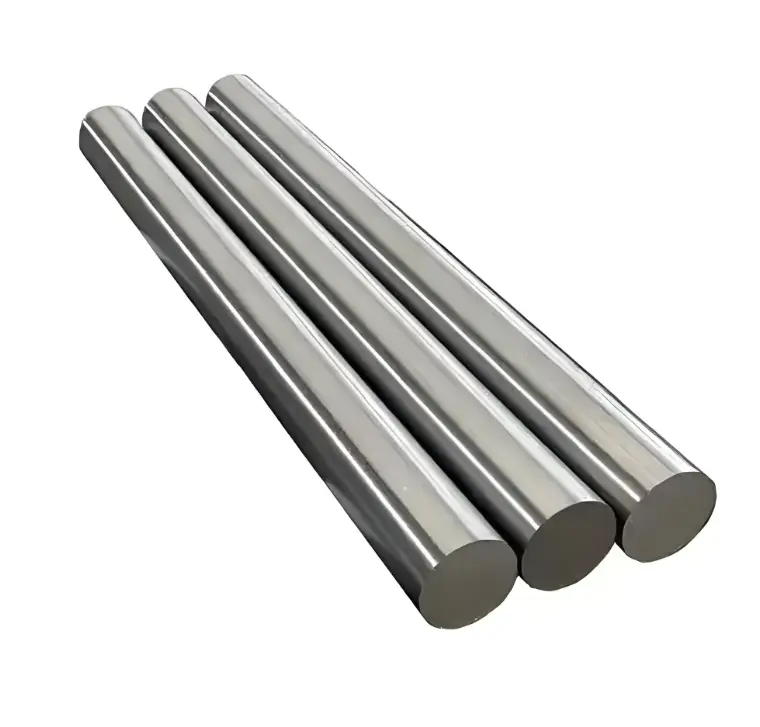
Why Superalloys Matter in Industrial Applications
Industrial equipment today operates under much more aggressive conditions than it did a decade ago. Production efficiency targets, energy-saving regulations, and higher thermal requirements all push materials closer to their performance limits.
Superalloy help industries address several critical operational problems:
Improved Heat Resistance
Industrial furnaces, gas turbines, and heat exchangers operate continuously at elevated temperatures. Standard steel materials soften and lose structural integrity over time. Superalloy maintain their strength and dimensional stability even after prolonged thermal exposure.
Better Oxidation and Corrosion Resistance
Many industrial environments contain sulfur compounds, chlorides, carbon-rich gases, or oxidizing atmospheres. Superalloy form protective oxide layers that prevent rapid corrosion and surface degradation.
Longer Equipment Service Life
Frequent equipment replacement increases operational downtime and maintenance costs. Components made from superalloy materials often achieve significantly longer service cycles, reducing shutdown frequency and improving production continuity.
Higher Safety Standards
Critical industrial systems require reliable materials to prevent catastrophic failures. Superalloy provide stable performance under pressure and thermal stress, helping facilities maintain safer operating conditions.
Main Types of Superalloy
Different industries require different alloy characteristics. Manufacturers therefore classify superalloy into several major categories based on their base metal composition.
Nickel-Based Superalloy
Nickel-based alloys are among the most widely used superalloys because they deliver exceptional strength and oxidation resistance at extremely high temperatures.
Industries commonly use these alloys in:
Aerospace turbine blades
Industrial gas turbines
Heat treatment furnace components
Petrochemical reactors
Thermal processing systems
Popular nickel-based grades include Inconel, Hastelloy, and Rene alloys.
Cobalt-Based Superalloy
Cobalt-based alloys offer excellent wear resistance, thermal fatigue resistance, and corrosion protection. These materials perform particularly well in applications involving repeated thermal cycling.
Common applications include:
Furnace fixtures
Hot forming dies
Valve seats
Combustion chambers
High-temperature bearings
Iron-Based Superalloy
Iron-based superalloy provide a cost-effective solution for moderate high-temperature applications. While their thermal resistance may not match nickel-based alloys, they still offer strong oxidation resistance and mechanical performance.
Industries often use these materials in:
Industrial heating systems
Boiler components
Heat exchangers
Exhaust systems
Metallurgical equipment
Key Performance Characteristics of Superalloy
Selecting the right superalloy requires understanding several important material properties.
Creep Resistance
Creep occurs when a material slowly deforms under continuous stress at elevated temperatures. Superalloy resist creep deformation, allowing equipment to maintain structural accuracy during long-term operation.
Thermal Fatigue Resistance
Many industrial systems repeatedly heat up and cool down during operation. Rapid temperature changes create internal stress that can cause cracking. Superalloy handle these thermal cycles more effectively than ordinary steel materials.
Oxidation Resistance
At high temperatures, oxygen reacts aggressively with metal surfaces. Advanced alloy compositions create stable oxide films that protect the underlying material from further damage.
Mechanical Strength
Industrial components exposed to pressure and vibration must retain mechanical strength even in extreme heat. Superalloy maintain tensile strength and hardness under demanding operating conditions.
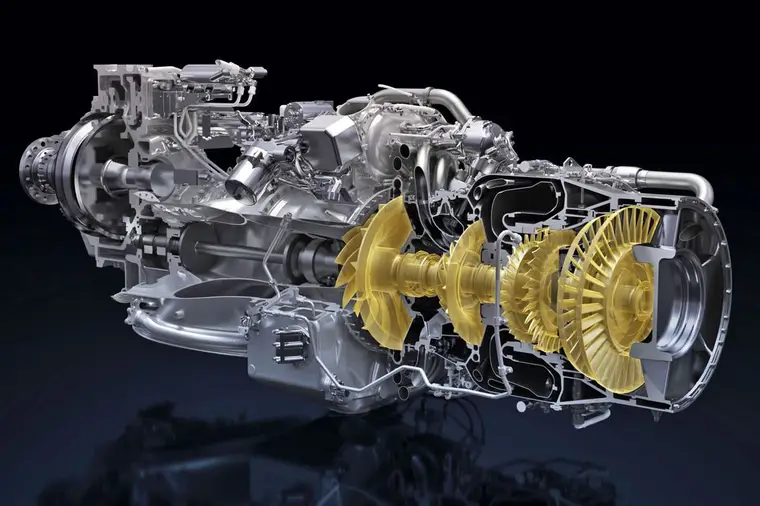
Industries That Depend on Superalloy Materials
Aerospace Industry
Aircraft engines operate at extremely high temperatures to maximize fuel efficiency and thrust. Turbine blades, combustion chambers, and exhaust systems all rely heavily on nickel-based superalloys.
Industrial Furnace Manufacturing
Heat treatment furnaces, annealing systems, and sintering equipment require materials capable of surviving continuous thermal exposure. Furnace rollers, radiant tubes, heating fixtures, and retorts frequently use superalloy materials.
Petrochemical Industry
Refineries and chemical plants expose equipment to corrosive gases and extreme temperatures. Superalloy help maintain process stability while reducing corrosion-related failures.
Power Generation
Gas turbines and thermal power plants depend on high-performance alloys to achieve higher operating temperatures and improved energy efficiency.
Metallurgical Processing
Steel plants, aluminum smelters, and forging facilities use superalloy in equipment exposed to molten metals and intense thermal stress.
Factors to Consider When Choosing a Superalloy
Selecting the wrong material can significantly reduce equipment life and increase operational costs. Buyers and engineers should evaluate several factors before making a material decision.
Operating Temperature Range
Different alloys perform best within specific temperature ranges. Engineers must match alloy capability to actual operating conditions.
Corrosive Environment
Industrial atmospheres vary widely. Some contain sulfur, while others expose materials to oxidation, carburization, or chlorides. Material compatibility is essential for long-term performance.
Mechanical Load Requirements
Components carrying heavy loads or rotating at high speed require stronger creep resistance and fatigue strength.
Fabrication and Welding Performance
Some superalloy are easier to weld and machine than others. Fabrication requirements may influence material selection for large industrial projects.
Cost Efficiency
Nickel-based superalloys deliver excellent performance but typically cost more than iron-based alternatives. Companies should balance initial investment against long-term operational savings.

Common Challenges in Superalloy Processing
Although superalloy provide excellent performance, they also present manufacturing challenges.
Difficult Machining
Many superalloys exhibit high hardness and work hardening behavior, which increases tool wear during machining.
Complex Welding Requirements
Improper welding procedures can create cracks or weaken the alloy structure. Manufacturers must follow strict heat control and filler material standards.
High Raw Material Costs
Nickel, cobalt, and molybdenum prices fluctuate significantly in global markets, directly affecting alloy production costs.
Precision Heat Treatment
Heat treatment processes greatly influence final alloy properties. Accurate temperature control is essential to achieve optimal performance.
Future Trends in Superalloy Development
As industrial technology advances, manufacturers continue developing more sophisticated superalloy solutions.
Several important trends are shaping the market:
- Development of lightweight superalloys for energy efficiency
- Improved oxidation-resistant coatings
- Additive manufacturing for complex alloy components
- Higher creep-resistant materials for advanced turbines
- More sustainable recycling technologies for alloy recovery
Artificial intelligence and digital simulation tools are also helping engineers optimize alloy composition and predict material behavior under extreme conditions.
How superalloy Improve Industrial Competitiveness
Many industrial companies focus primarily on equipment price during procurement. However, material quality often determines long-term operational profitability.
Superalloy help businesses reduce:
- Unexpected downtime
- Maintenance frequency
- Component replacement costs
- Energy loss from inefficient systems
- Production interruptions caused by material failure
At the same time, these materials improve production consistency, equipment reliability, and operational safety.
For manufacturers operating in highly competitive industries, investing in reliable superalloy components can provide measurable advantages in productivity and lifecycle cost control.
Conclusion
Superalloy materials play a critical role in modern industrial manufacturing. Their ability to withstand extreme heat, corrosion, and mechanical stress makes them essential for aerospace systems, industrial furnaces, power generation equipment, petrochemical facilities, and metallurgical processing lines.
As industries continue pursuing higher efficiency, lower emissions, and longer equipment lifespan, the importance of advanced superalloy solutions will only continue to grow. Companies that choose suitable alloy materials based on real operating conditions can significantly improve production reliability, reduce maintenance expenses, and enhance overall operational performance.
For industrial equipment manufacturers and end users alike, understanding the characteristics and applications of superalloy is no longer optional. It has become a key factor in achieving sustainable industrial growth and maintaining long-term competitiveness in demanding global markets.
