
In modern metal manufacturing, material performance depends heavily on precise chemical composition. Engineers, foundries, and metal processors often use terms such as “master alloy” and “alloying element” interchangeably, but these two concepts are not the same. Understanding the difference between master alloy and alloying element is important for manufacturers that work with aluminum, magnesium, copper, titanium, steel, and other industrial metals.
Many buyers focus only on the final alloy grade, while experienced metallurgists pay close attention to how alloying materials are introduced into the melt. This difference directly affects production efficiency, element recovery rate, grain structure, mechanical properties, and overall product quality.
This article explains the key differences between master alloys and alloying elements, how each one functions in industrial production, and why master alloys have become increasingly important in precision metallurgy.
What Is an Alloying Element?
An alloying element is a chemical element that manufacturers add to a base metal in order to change its physical, mechanical, chemical, or thermal properties. The addition of alloying elements allows producers to create materials with higher strength, better corrosion resistance, improved hardness, enhanced conductivity, or superior wear resistance.
Steel production provides one of the most common examples. Carbon, chromium, nickel, manganese, and molybdenum are all alloying elements used in different steel grades. Aluminum alloys also rely heavily on alloying elements such as silicon, magnesium, copper, zinc, and titanium.
Each alloying element performs a specific role:
Silicon improves fluidity and casting performance.
Magnesium increases strength and hardness.
Copper enhances mechanical strength.
Chromium improves corrosion resistance.
Titanium refines grain structure.
Nickel increases toughness at high temperatures.
Manufacturers can add alloying elements in pure metal form, powder form, or through intermediate alloy systems. However, directly adding pure elements into molten metal is not always the most efficient or stable method.
This limitation led to the widespread industrial use of master alloys.
What Is a Master Alloy?
A master alloy is a specially prepared alloy that contains a high concentration of one or more alloying elements combined with a base metal. Manufacturers use master alloys as additives during melting and casting processes to introduce alloying elements into molten metal more efficiently and accurately.
For example, instead of adding pure titanium directly into molten aluminum, a foundry may use an aluminum-titanium master alloy such as AlTi10. In this material, titanium is already dissolved or distributed within aluminum, making it easier to introduce into the melt.
Master alloys are commonly supplied in the form of:
Ingots
Waffles
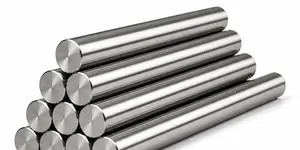
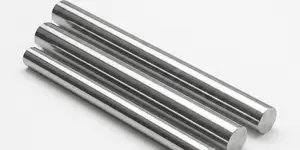
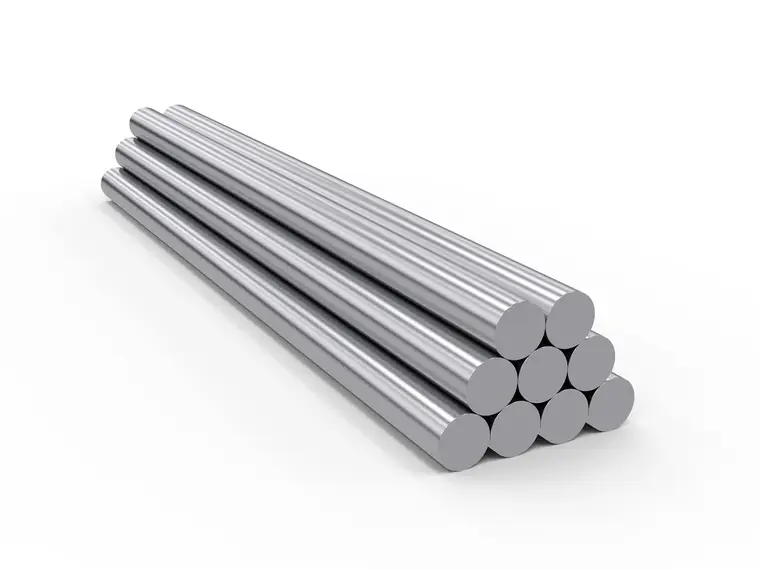
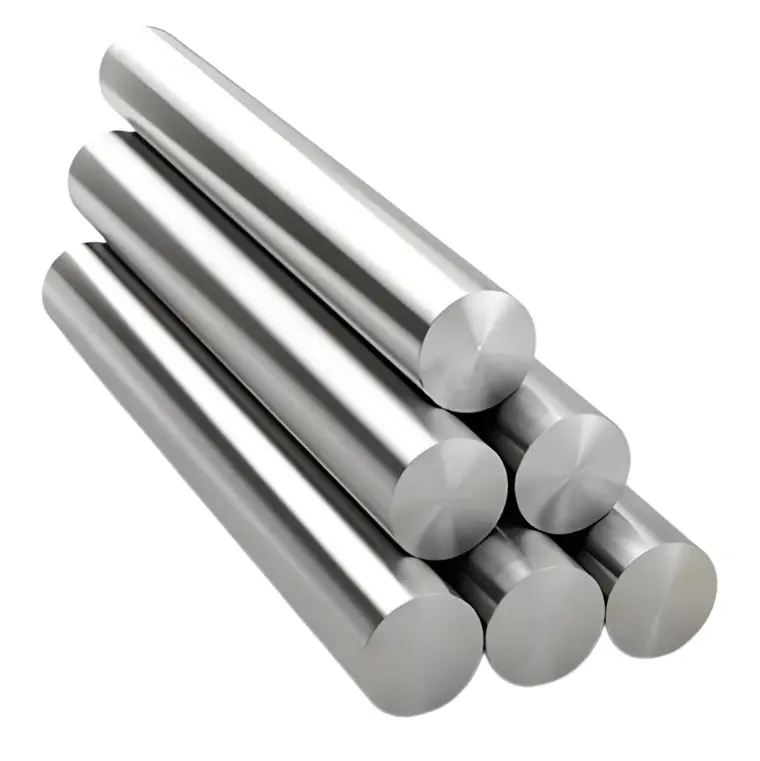
Rods
Tablets
Shot
Powder
Industries widely use master alloys in aluminum processing, magnesium production, titanium alloy manufacturing, steelmaking, and superalloy production.
Core Difference Between Master Alloy and Alloying Element
The biggest difference lies in their function and form.
An alloying element is the actual chemical element that changes material properties, while a master alloy is a carrier material used to introduce those elements into molten metal in a controlled and efficient way.
The relationship between the two can be explained simply:
Alloying elements are the active ingredients.
Master alloys are the delivery systems.
For example:
Pure titanium is an alloying element.
Aluminum-titanium alloy is a master alloy.
Although both contribute titanium to the final alloy, the production method, melting behavior, and metallurgical performance are very different.
Why Manufacturers Prefer Master Alloys
Better Element Recovery Rate
Some alloying elements oxidize easily or burn off rapidly during melting. Magnesium, titanium, boron, and rare earth elements are especially sensitive to temperature and atmosphere.
When operators add pure elements directly into molten metal, recovery efficiency often becomes unstable. Master alloys reduce this problem because the alloying element is already combined with a compatible base metal.
This process improves absorption and minimizes waste.
Improved Composition Accuracy
Modern industries require strict chemical tolerances. Aerospace components, automotive parts, and electronic materials cannot tolerate large composition deviations.
Master alloys allow manufacturers to control composition more accurately because the alloying elements are pre-dispersed at known concentrations.
For example, adding a precise quantity of AlSr10 master alloy enables accurate strontium modification in aluminum-silicon casting alloys.
Faster Melting and Better Distribution
Certain pure alloying elements have high melting points or poor solubility. Direct addition may lead to incomplete dissolution, segregation, or uneven distribution.
Master alloys solve this issue because they melt more uniformly and disperse the target elements throughout the molten metal.
This advantage becomes critical in continuous casting and high-volume industrial production.
Grain Refinement and Structure Control
Many master alloys are specifically designed for grain refinement and microstructure modification.
Examples include:
AlTiB master alloy for aluminum grain refinement
AlSr master alloy for silicon modification
CuP master alloy for deoxidation in copper alloys
These specialized master alloys improve mechanical properties, casting quality, and surface finish.
Pure alloying elements alone often cannot achieve the same metallurgical effect.
Common Types of Master Alloys
Different industries use different master alloy systems depending on their production requirements.
Aluminum-Based Master Alloys
Aluminum foundries use these materials extensively for grain refinement and composition control.
Common examples include:
AlTi5B1
AlTi10
AlSr10
AlMn20
AlV10
Applications include automotive wheels, aerospace castings, heat exchangers, and structural aluminum products.
Copper-Based Master Alloys
Copper alloy manufacturers use master alloys to improve conductivity, hardness, and machinability.
Typical products include:
CuP
CuB
CuCr
CuZr
These alloys are common in electrical components and industrial copper processing.
Nickel and Superalloy Master Alloys
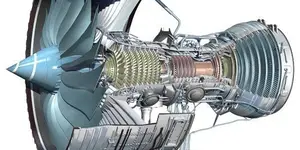
High-temperature industries rely on nickel-based master alloys for turbine blades, aerospace engines, and energy equipment.
These master alloys help introduce reactive or difficult-to-melt elements more effectively.
Titanium Master Alloys
Titanium production often uses master alloys containing vanadium, molybdenum, iron, or aluminum.
These materials improve alloy homogeneity and simplify vacuum melting operations.
Direct Alloying Elements vs Master Alloys in Industrial Production
Industrial manufacturers choose between pure alloying additions and master alloys based on several factors:
- Cost of raw material
Pure Alloying Element : Sometimes lower
Master Alloy : Usually higher
- Melting efficiency
Pure Alloying Element : Lower for reactive elements
Master Alloy : Higher
- Composition accuracy
Pure Alloying Element : Less stable
Master Alloy : More precise
- Recovery rate
Pure Alloying Element : Can fluctuate
Master Alloy : More consistent
- Oxidation loss
Pure Alloying Element : Higher
Master Alloy : Lower
- Ease of handling
Pure Alloying Element : Sometimes difficult
Master Alloy : Easier
- Production consistency
Pure Alloying Element : Variable
Master Alloy : Stable
Although master alloys may initially appear more expensive, they often reduce total production costs through higher yield, lower scrap rates, and improved product quality.
Industries That Depend on Master Alloys
Automotive Industry
Automotive manufacturers require lightweight aluminum components with consistent strength and durability. Master alloys help maintain stable metallurgy in wheels, engine blocks, transmission housings, and structural parts.
Aerospace Industry
Aircraft materials require extremely tight chemical tolerances. Aerospace manufacturers use master alloys to achieve reliable alloy composition and grain refinement.
Electronics Industry
Copper and aluminum alloys used in electrical systems must maintain conductivity while achieving sufficient mechanical strength. Master alloys help optimize this balance.
Steel and Foundry Industry
Steelmakers use ferroalloys and master alloy systems to control deoxidation, desulfurization, and microalloying processes.
How to Select the Right Master Alloy
Choosing the correct master alloy depends on several technical factors:
Base Metal Compatibility
The carrier metal in the master alloy should match the primary melt system whenever possible.
For example:
Aluminum melts generally use aluminum-based master alloys.
Copper melts typically use copper-based master alloys.
Element Concentration
Higher concentration master alloys reduce addition volume but may require more careful handling and dissolution control.
Melting Temperature
The master alloy should dissolve efficiently within the operating temperature range of the production line.
Intended Metallurgical Function
Some master alloys focus on:
Composition adjustment
Grain refinement
Modification
Deoxidation
Inclusion control
Manufacturers should choose materials based on their final performance targets.
Future Trends in Master Alloy Technology
As manufacturing standards continue to rise, demand for advanced master alloys is increasing rapidly.
Several trends are shaping the industry:
Low-carbon and environmentally friendly alloy production
High-purity master alloys for semiconductor and aerospace applications
Rare earth master alloys for advanced lightweight materials
Customized alloy systems for additive manufacturing and 3D printing
Nano-scale grain refinement technologies
The shift toward electric vehicles, renewable energy systems, and lightweight transportation materials is also expanding the global demand for high-performance master alloys.
Conclusion
The difference between master alloy and alloying element goes far beyond terminology. Alloying elements are the chemical components that improve metal performance, while master alloys are engineered materials designed to introduce those elements into molten metal efficiently and accurately.
Modern industrial production increasingly relies on master alloys because they improve recovery rates, stabilize chemical composition, refine grain structure, and reduce manufacturing defects. Industries such as aerospace, automotive, electronics, and precision casting all depend on advanced master alloy technology to meet demanding quality standards.
For manufacturers seeking stable metallurgy, higher production efficiency, and consistent material performance, selecting the right master alloy supplier has become just as important as choosing the correct alloying element itself.
