

In modern metal manufacturing, product consistency matters just as much as production speed. Whether a factory produces aluminum sheets, automotive castings, aerospace components, cables, or steel products, even a slight variation in chemical composition can lead to defects, unstable mechanical properties, or increased production costs. This challenge is exactly why master alloy has become an essential material across the metallurgical industry.
Many buyers understand the final properties they want from a metal product, such as higher strength, finer grain structure, improved conductivity, or better corrosion resistance. However, fewer people understand how manufacturers achieve those properties consistently during large-scale production. In most cases, master alloy plays a central role in that process.
This article explains what master alloy is, how it works, why it matters in industrial production, and how manufacturers can choose the right solution for different applications.
What Is Master Alloy?
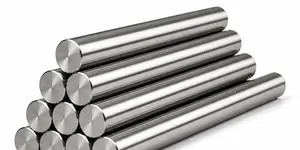
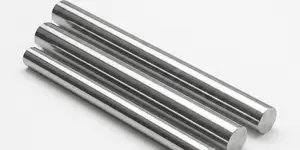
Master alloy is a semi-finished alloy product made by combining a base metal with one or more alloying elements in concentrated form. Manufacturers use it as an additive during melting and casting processes to precisely control the chemical composition and performance of metals.
The most common base metals include aluminum, copper, nickel, magnesium, and zinc. The alloying elements may include titanium, boron, strontium, chromium, vanadium, zirconium, or rare earth elements depending on the final application.
Instead of adding pure elements directly into molten metal, foundries often prefer master alloy because it offers better dissolution, more stable recovery rates, and improved process control.
For example, aluminum producers frequently use aluminum-titanium-boron master alloy to refine grain structure during casting. Steel manufacturers may use ferroalloys containing vanadium or niobium to improve strength and toughness. Copper alloy producers often use phosphorus-containing master alloys for deoxidation purposes.
Without these materials, many modern industrial metals would struggle to meet strict quality standards.
Why Manufacturers Use Master Alloy Instead of Pure Metals
At first glance, adding pure alloying elements may appear simpler. In reality, direct addition creates several production challenges.
Some pure elements oxidize rapidly at high temperatures. Others melt unevenly or distribute poorly inside molten metal. Certain rare elements are difficult to control accurately in industrial furnaces. These problems can reduce yield rates and increase production costs.
Master alloy solves these issues by improving process stability.
Better Chemical Distribution
Master alloy allows alloying elements to disperse evenly throughout the melt. Uniform distribution helps manufacturers maintain consistent mechanical properties across the entire product batch.
Improved Recovery Rate
When manufacturers add pure alloying elements directly into molten metal, part of the material may burn off or react with oxygen. Master alloy reduces these losses and increases recovery efficiency.
Easier Process Control
Production engineers can calculate alloy additions more accurately when using concentrated master alloys. This precision becomes extremely important in industries with strict tolerances, such as aerospace, electronics, and automotive manufacturing.
Enhanced Product Performance
Master alloy can improve grain refinement, corrosion resistance, hardness, conductivity, and thermal stability. These improvements directly affect the performance and lifespan of finished metal products.
Main Types of Master Alloy
Different industries require different alloy systems. Several categories dominate the global market.
Aluminum Master Alloy
Aluminum-based master alloys are widely used in casting, rolling, extrusion, and automotive applications. Common products include:
- AlTiB grain refiners
- AlSr modifiers
- AlZr high-temperature resistance alloys
- AlCr and AlMn strengthening alloys
These materials help improve casting quality, reduce cracking, and optimize mechanical performance.
Copper Master Alloy
Copper-based master alloys are commonly used in electrical and industrial applications. Manufacturers use them to improve conductivity, machinability, and oxidation resistance.
Typical alloying elements include phosphorus, chromium, zirconium, and iron.
Nickel Master Alloy
Nickel-based master alloys are important in high-temperature industries such as aerospace turbines, petrochemical equipment, and power generation systems.
These alloys can improve creep resistance, oxidation resistance, and structural stability under extreme operating conditions.
Magnesium Master Alloy
Magnesium alloys continue to gain popularity because of their lightweight characteristics. Master alloy additions help manufacturers improve flame resistance, corrosion resistance, and mechanical strength.
The Role of Master Alloy in Aluminum Processing
Among all industrial applications, aluminum processing represents one of the largest markets for master alloy products.
Modern aluminum manufacturers face increasing pressure to produce lightweight yet high-strength materials for transportation, renewable energy, construction, and packaging industries.
Master alloy helps aluminum producers meet these demands efficiently.
Grain Refinement
Fine grain structure improves mechanical strength and reduces casting defects. Aluminum titanium boron master alloy is one of the most widely used grain refiners in continuous casting operations.
A refined grain structure also improves downstream processing performance during rolling and extrusion.
Alloy Modification
Certain aluminum silicon casting alloys require modification treatment to improve ductility and machinability. Strontium-based master alloys are often used for this purpose.
Impurity Control
Some master alloys help neutralize harmful impurities that may negatively affect corrosion resistance or mechanical properties.
Production Consistency
Large-scale aluminum plants require stable chemistry control across thousands of tons of production. Master alloy helps maintain consistency from batch to batch.
How Master Alloy Impacts Product Quality
Many downstream manufacturing defects originate during the melting stage rather than the final fabrication stage. Poor alloy distribution, gas porosity, coarse grains, or unstable chemistry can all create serious quality issues later in production.
A high-quality master alloy supplier can help manufacturers reduce these risks significantly.
Reduced Defect Rate
Proper alloy treatment can minimize:
- Shrinkage defects
- Hot cracking
- Inclusion formation
- Segregation problems
- Surface irregularities
Improved Mechanical Properties
Master alloy contributes to better tensile strength, fatigue resistance, elongation, and hardness depending on the alloy system.
Better Surface Finish
Stable alloy composition often leads to smoother surfaces after rolling, machining, or anodizing.
Longer Equipment Life
Some alloy systems improve wear resistance and thermal stability, which can extend component lifespan in demanding environments.
Key Factors When Choosing a Master Alloy Supplier
Not all master alloy products deliver the same performance. Buyers should evaluate suppliers carefully before making long-term purchasing decisions.
Chemical Composition Accuracy
Precise composition control is critical. Even minor variations can affect final product performance.
Reliable suppliers usually provide:
- Spectrometer analysis
- Batch traceability
- Quality inspection reports
- Stable production standards
Production Technology
Advanced melting and casting equipment can improve alloy uniformity and reduce impurities.
Manufacturers with modern refining systems often achieve more stable product quality.
Particle Size and Shape
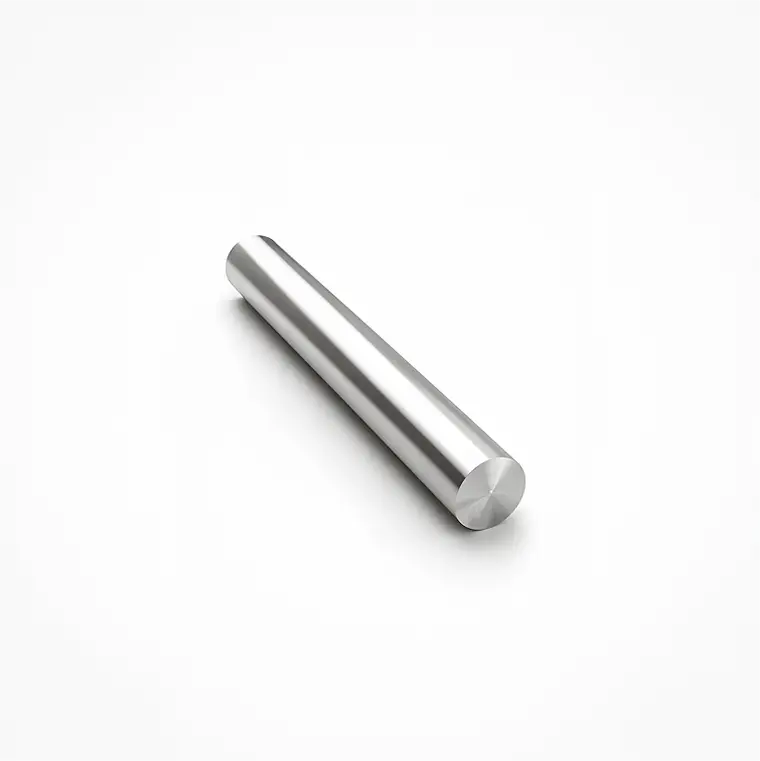
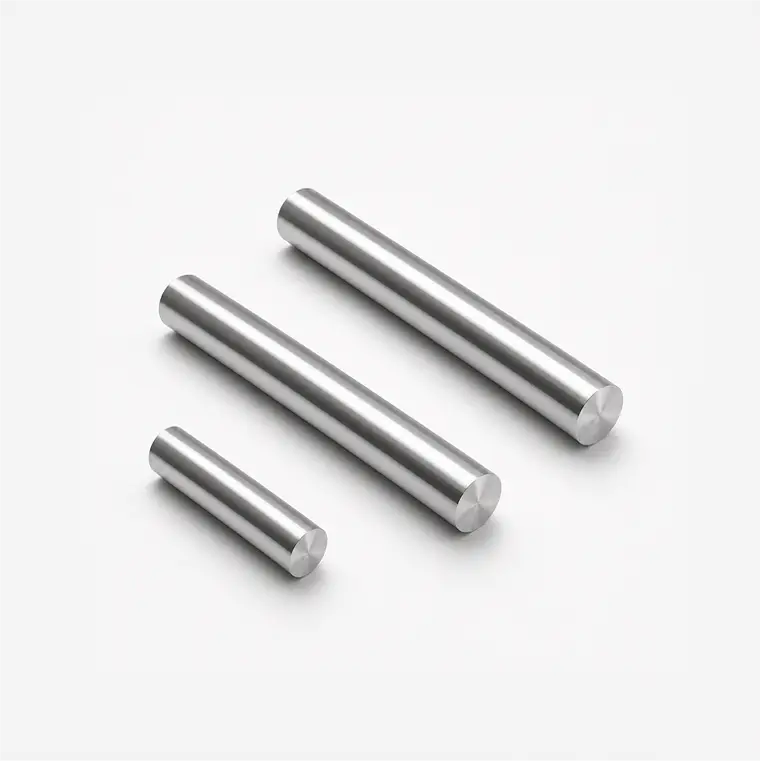
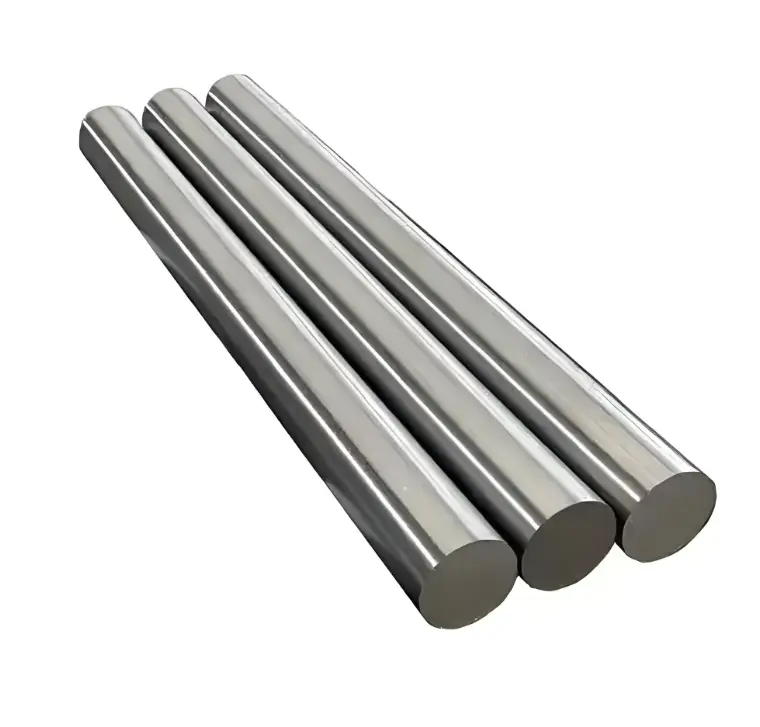
Different production processes require different product forms, including waffle ingots, rods, shots, or tablets.
The correct shape improves melting efficiency and operational convenience.
Technical Support
Experienced suppliers often provide process recommendations, application guidance, and alloy optimization suggestions.
This technical support becomes especially valuable for customers developing new alloy systems.
Global Supply Stability
Industrial manufacturers prefer suppliers capable of maintaining stable lead times and consistent international logistics support.
Future Trends in the Master Alloy Industry
The master alloy market continues to evolve alongside global manufacturing trends.
Lightweight Transportation
Automotive and aerospace industries continue to pursue lightweight materials for fuel efficiency and carbon reduction goals. This trend increases demand for advanced aluminum and magnesium master alloys.
Renewable Energy Growth
Solar power systems, wind turbines, and energy storage equipment require specialized alloy materials with improved durability and conductivity.
High-Performance Electronics
Electronics manufacturers demand increasingly precise metal properties for thermal management and electrical performance.
Sustainable Manufacturing
Many metal producers now focus on recycling efficiency and low-carbon production methods. High-quality master alloy can help improve recycled metal performance and reduce waste during remelting processes.
Common Challenges During Master Alloy Application
Even high-quality products require proper operational control.
Incorrect Addition Temperature
If operators add master alloy at the wrong temperature, recovery efficiency may decrease significantly.
Insufficient Stirring
Poor melt circulation can lead to uneven alloy distribution.
Excessive Holding Time
Long holding periods may cause oxidation loss for sensitive alloying elements.
Contamination Risks
Improper storage or handling may introduce moisture or impurities into the melting process.
Manufacturers can avoid most of these issues through proper process management and supplier cooperation.
Conclusion
Master alloy may not be visible in the final product, but it strongly influences the performance, consistency, and reliability of modern industrial metals. From aluminum casting and steel production to aerospace manufacturing and renewable energy equipment, these specialized alloy additives help manufacturers achieve precise material properties while improving production efficiency.
As industrial standards continue to rise, the demand for high-purity, stable, and application-specific master alloy products will continue to grow. Companies that invest in reliable alloy technology and strong supplier partnerships will gain a competitive advantage in both product quality and manufacturing efficiency.
For metal manufacturers seeking better casting performance, improved mechanical properties, and more stable production control, choosing the right master alloy solution is no longer optional. It has become a key part of modern metallurgical success.
