
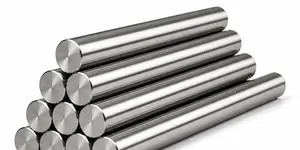
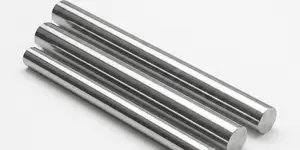
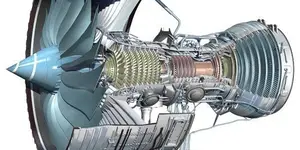
Metal Matrix Composites (MMCs) have become one of the most important advanced engineering materials in modern manufacturing industries, especially in aerospace, automotive, electronics, and high-performance mechanical systems. Their ability to combine the ductility and toughness of metals with the strength and functional properties of reinforcement phases makes them highly valuable in demanding environments. Within this material system, master alloys play a foundational yet often underappreciated role in controlling microstructure, improving compatibility, and ensuring consistent composite performance.
Understanding the role of master alloys in MMCs requires more than a basic definition. It involves examining how they influence solidification behavior, interfacial bonding, reinforcement distribution, and ultimately the mechanical and thermal properties of the final composite material. This article explores these aspects in detail and explains why master alloys are essential for producing reliable and high-performance metal matrix composites.
Understanding Metal Matrix Composites and Their Engineering Value
Metal Matrix Composites refer to materials that consist of a metallic matrix—such as aluminum, magnesium, titanium, or copper—reinforced with ceramic particles, fibers, or other high-strength phases. Unlike conventional alloys, MMCs are designed at a microstructural level to achieve targeted performance characteristics such as:
Higher strength-to-weight ratio
Improved wear resistance
Enhanced thermal stability
Better fatigue and creep resistance
Tailored electrical or thermal conductivity
These properties depend heavily on how well the reinforcement is distributed within the matrix and how stable the interface remains during processing and service conditions. This is where master alloys become essential.
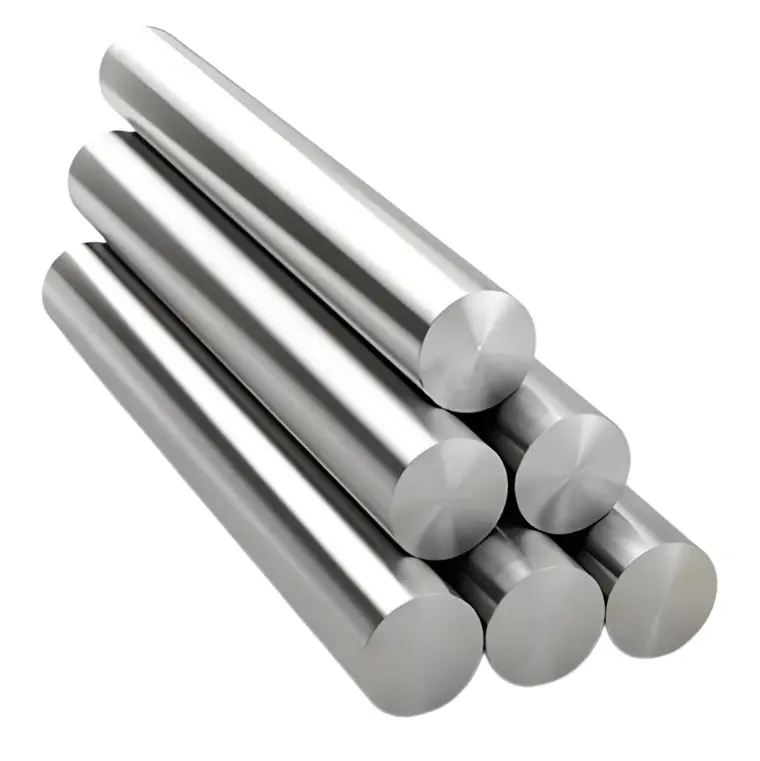
What Are Master Alloys in the Context of MMCs?
Master alloys are pre-alloyed compositions that contain a high concentration of specific elements designed to modify or enhance the properties of a base metal. In MMC production, they are not simply additives; instead, they act as functional carriers of alloying elements that improve processing behavior and microstructural control.
In practical manufacturing, master alloys are introduced into molten metal systems to:
Refine grain structures
Improve wettability between matrix and reinforcement
Reduce segregation during solidification
Promote uniform dispersion of reinforcing phases
Stabilize interfacial reactions
Without these functions, many metal matrix composites would suffer from poor reinforcement bonding, uneven distribution, or unstable mechanical properties.
The Core Role of Master Alloys in MMC Formation
Grain Refinement and Microstructure Control
One of the most important contributions of master alloys is grain refinement in the metal matrix. During solidification, coarse grains often form naturally, which can weaken mechanical strength and reduce uniformity. Master alloys introduce nucleating agents such as titanium, boron, or zirconium compounds that encourage the formation of fine and evenly distributed grains.
A refined grain structure leads to:
Increased yield strength
Improved ductility balance
Better fatigue resistance
More stable mechanical performance across temperature ranges
This microstructural improvement is especially critical in aluminum-based MMCs used in aerospace structures and automotive components.
Improving Wettability Between Matrix and Reinforcement
A persistent challenge in Metal Matrix Composites is achieving strong interfacial bonding between the molten metal matrix and ceramic reinforcements such as silicon carbide or alumina. Poor wettability results in voids, weak bonding, and premature failure under stress.
Master alloys modify the surface energy of the molten metal, allowing it to better wet reinforcement particles. This improves bonding at the interface and ensures that the load is effectively transferred from the matrix to the reinforcement phase.
As a result, the composite material demonstrates:
Higher tensile strength
Reduced interfacial defects
Better load transfer efficiency
Improved long-term durability
Enhancing Reinforcement Distribution
Uniform distribution of reinforcement particles is essential for achieving predictable and stable material performance. However, during casting or liquid metallurgy processes, reinforcement particles often tend to cluster or settle due to density differences and surface tension effects.
Master alloys help mitigate these issues by altering melt viscosity and solidification kinetics. This promotes:
Even dispersion of reinforcement phases
Reduced particle agglomeration
More consistent microstructural architecture
This uniformity directly contributes to improved mechanical reliability and reduces localized stress concentration points.
Controlling Interfacial Reactions
In some metal matrix systems, unwanted chemical reactions can occur between the molten matrix and reinforcement particles. These reactions may form brittle intermetallic compounds that weaken the composite structure.
Master alloys act as chemical stabilizers that regulate interfacial reactions. By carefully adjusting the elemental composition of the melt, they help maintain a controlled interface that supports mechanical integrity without introducing brittleness.
This function is particularly important in titanium and magnesium-based composites where high reactivity is a known challenge.
Industrial Applications Driven by Master Alloy-Enhanced MMCs
The integration of master alloys in Metal Matrix Composite production has enabled the expansion of MMC applications across several high-performance industries.
Aerospace Engineering
Aircraft components require materials that combine lightweight properties with high mechanical strength and thermal resistance. MMCs enhanced with master alloys are used in structural panels, turbine components, and thermal management systems where reliability under extreme conditions is essential.
Automotive Industry
In automotive engineering, weight reduction is directly linked to fuel efficiency and emissions control. Aluminum-based MMCs reinforced with ceramic particles and optimized through master alloys are widely used in brake rotors, engine components, and transmission parts.
Electronics and Thermal Management
Electronic devices generate significant heat, requiring materials with excellent thermal conductivity and dimensional stability. Master alloy-treated MMCs provide controlled thermal expansion and efficient heat dissipation in advanced electronic packaging systems.
Defense and High-Performance Machinery
Military and industrial machinery demand materials that can withstand extreme mechanical stress and environmental conditions. MMCs engineered with master alloys offer enhanced wear resistance and long service life in armor systems, rotating machinery, and precision tools.
Process Optimization and Manufacturing Considerations
The effectiveness of master alloys in MMC production depends on precise process control. Factors such as melting temperature, alloy addition timing, stirring conditions, and cooling rates all influence the final microstructure.
Manufacturers often optimize:
Stir casting parameters for particle dispersion
Melt treatment techniques for degassing and refinement
Solidification rates for controlled grain formation
Compatibility between matrix and reinforcement phases
A well-designed process ensures that the functional benefits of master alloys are fully realized in the final composite material.
Future Trends in Master Alloy Development for MMCs
As material science continues to evolve, master alloys are expected to play an even more advanced role in next-generation Metal Matrix Composites. Emerging trends include:
Nano-structured master alloys for ultra-fine grain control
Environmentally friendly alloy systems with reduced toxicity
AI-assisted alloy design for optimized compositions
Hybrid reinforcement systems combining multiple phases
These innovations will further expand the performance limits of MMCs and open new opportunities in aerospace, renewable energy systems, and high-efficiency transportation technologies.
Conclusion
Master alloys are not simply auxiliary materials in Metal Matrix Composite production; they are critical enablers that define the microstructure, performance, and reliability of the final material system. By improving grain refinement, enhancing wettability, ensuring uniform reinforcement distribution, and stabilizing interfacial chemistry, they directly influence the success of MMC applications across multiple industries.
As demand for high-performance, lightweight, and durable materials continues to grow, the role of master alloys will become even more significant in advancing the capabilities of Metal Matrix Composites and supporting the next generation of engineering innovation.

